My approach to production
Principles · Skills · ToolkitMy approach starts with understanding the work, the people doing it and the time available. These four principles show how I turn that understanding into a plan, with examples from the projects I’ve worked on.
Core principles
Planning
Match scope and capacity to the release window
I work with teams to understand what the scope needs in time and people, including room for iteration. That gives us a basis for deciding what fits the release window and where the plan needs to change.
Used asset costs and production estimates to plan scope, staffing and outsourcing together.
Coordination
Review connected work together
When work crosses disciplines, I bring the people building it and the teams depending on it into the same reviews. Shared plans and clear review stages help us identify conflicts and agree on what needs to happen next.
Brought three system teams into one redesign cycle with a single dependency map across design, animation, and programming.
Risk
Make risks and options visible early
I make the delivery impact of new scope and feedback visible early, then work with stakeholders on options such as scope changes, staffing or sequencing.
Turned a personal risk log into a team-wide tool with owners and status visible to everyone.
Culture
Give people clear ownership and support
I work with leads to make responsibilities clear and support them as they grow into their roles. I want people to understand how their work fits the wider plan and feel able to raise concerns or suggest improvements.
Set up a lead structure so every area had a clear owner, with a producer reporting to me to own sprint and short-term execution.
What I bring
Production · Software · Crafts- AAA Game Production
- Live Production & DLC
- Scope Management
- Budget & Cost Modeling
- Staffing
- Team Structuring & Management
- Mentoring & Direct Reports
- Risk Management
- Cross-discipline Coordination
- Outsourcing Management
- External Collaborations
- Release & certification planning
- Agile & Sprint Planning
- JiraSprint planning, task pipelines, cross-team backlog visibility.
- PerforceVersion control and asset/branch management.
- ConfluenceProcess pages, decisions, sign-off records.
- MiroWorkshops, roadmapping, visual planning.
- ExcelCost models, schedules, tracking sheets.
- PowerPointStakeholder decks and milestone reviews.
- SteamworksStore pages and builds.
- Unreal EngineReviewing work in-editor and understanding build cost.
My design background and experience in the editor help me understand dependencies and discuss quality with developers. I bring that perspective into reviews and planning, working with specialists to refine estimates and agree on a realistic way to meet stakeholder expectations.
- Art pipeline, concept to integration
- Rigging & animation
- Game & systems design
- Economy & monetization design
- Level design
About me
I’m a game producer with six years of experience, including four at Massive Entertainment. I currently lead production for The Division 2’s Character Art and Vanity team across live seasonal content and DLC. I manage leads and mentor other producers.

Background
From Level Designer to ProducerMy interest in making games began with maps for Warcraft III, Halo and Far Cry. When I started studying at Breda University of Applied Sciences, production felt like a natural way to combine that interest with organising people and projects. I went on to produce several student projects, including Alien Removal Division, where I also provided creative direction, ran playtests and contributed lighting and polish work.
During my studies, I founded Urcham Entertainment, an indie company, to gain experience of building a team and taking a project to a tech demo. As we worked towards the demo, I set the creative direction and managed scope within a tight budget. We delivered it, and I later closed the company to focus on my degree.
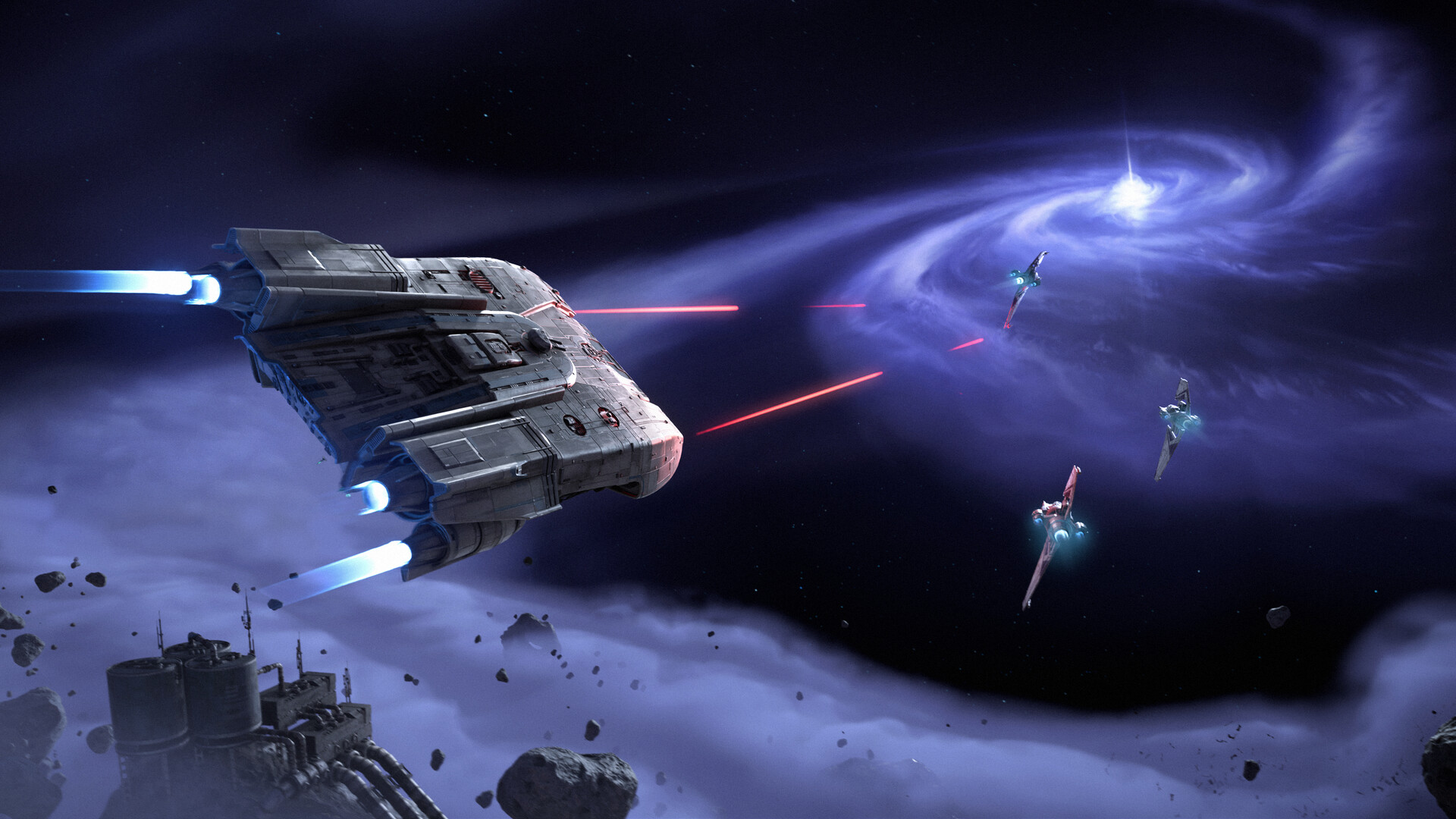
I brought that hands-on background with me to Massive, working on Star Wars Outlaws through feature production, launch, live updates and A Pirate’s Fortune. My level-design experience helped me understand dependencies and establish and improve production pipelines with the teams. On The Division 2, my responsibilities have grown to include building the team, developing leads and connecting scope with cost and capacity.
What matters to me
My hands-on experience has given me an eye for quality and a foundation in the disciplines I work with. That helps me ask informed questions, understand dependencies and recognise where planning needs input from the people doing the work.
I give my teams clear priorities, plan time for player and director feedback, and support people as their responsibilities grow. My aim is to help us ship the best game we can while giving the team room to thrive.
The situation
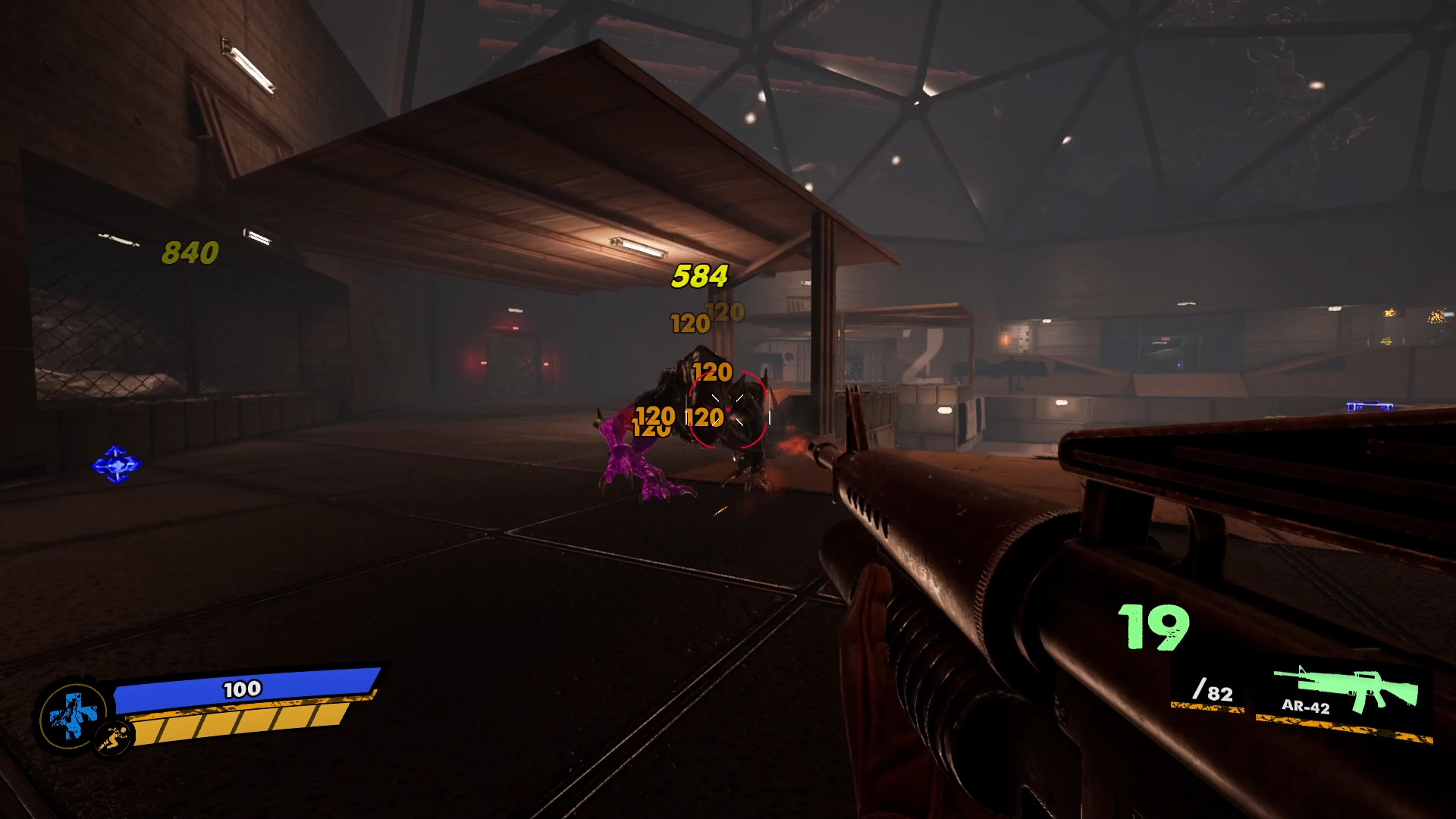
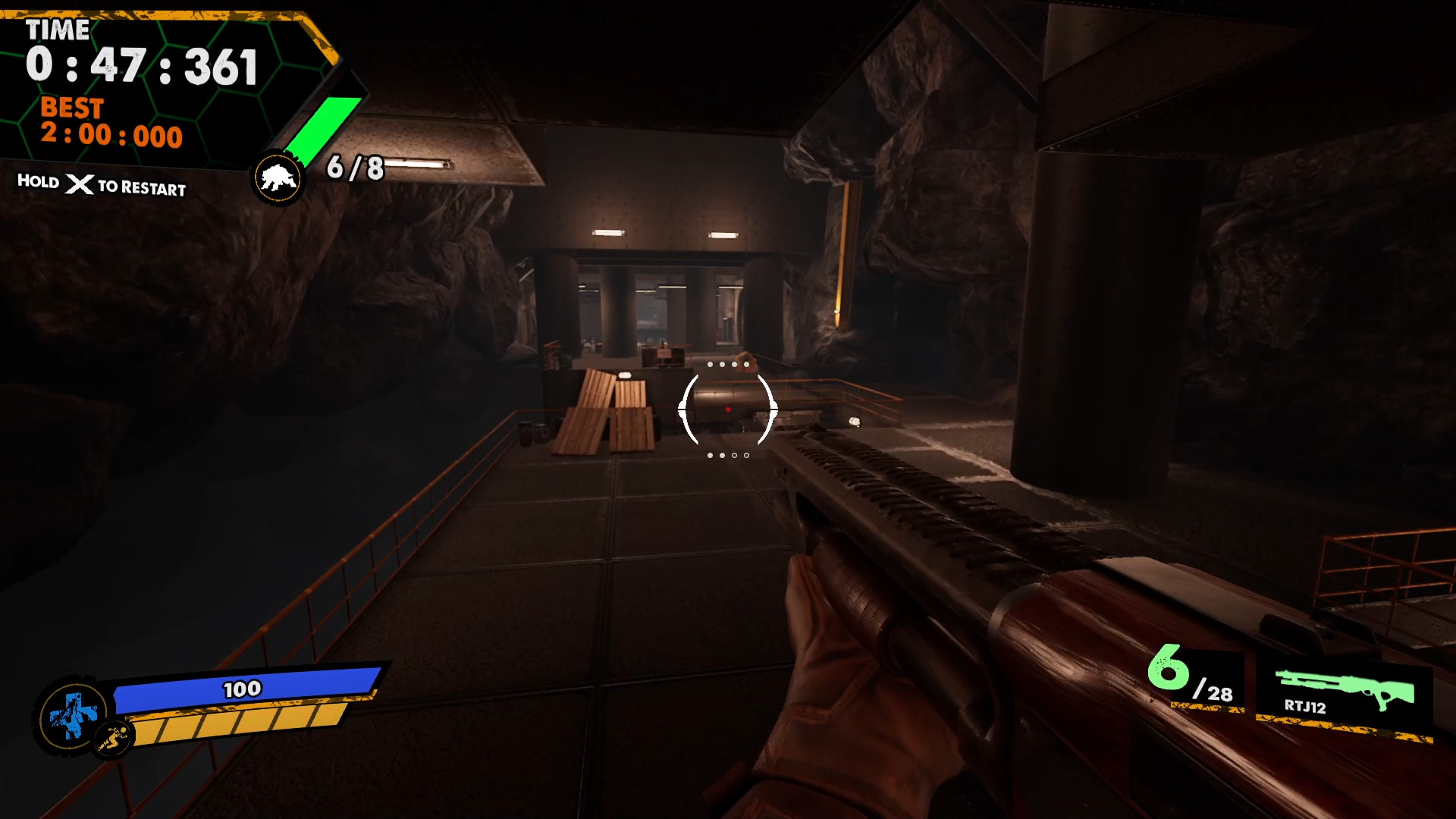
Alien Removal Division is a first-person shooter set in a 1950s military research facility overrun by aliens. We built it as a final-year student project with 25 team members and five outsourced art specialists: two rigging artists, two concept artists and one technical artist. We had 32 weeks to take the game from concept to release.
The challenge
We needed a shared production process to keep scope within team capacity. Animation, level design and art were working from different assumptions about priorities and completion. I needed to make that misalignment and its delivery risks visible early.
Sprint planning
To turn those different assumptions into a shared weekly plan, I ran sprint planning and retrospectives. Comparing planned scope with the team’s delivery rate helped us understand what we could take on, while the retrospectives gave us a regular opportunity to adjust the process.
Risk management and asset tracking
Alongside the weekly plan, we needed a way to discuss scope growth and conflicts across disciplines. I adapted my personal risk log for the team, giving each risk an owner and status as well as a category, impact and probability. This made it clear what needed attention and who was responsible for addressing it.
I also maintained prioritised asset lists with clear descriptions, so those discussions were grounded in a shared understanding of what each asset needed to deliver.
Playtesting and hands-on support
Alongside production, I provided creative direction, ran playtests and contributed lighting and polish work. The playtests gave us feedback to inform design decisions.
The outcome
The team shipped the game on Steam on schedule after 32 weeks. The game went on to pass 200,000 downloads. Steam lists 88% positive reviews across more than 1,000 user reviews. The game’s Steam page also lists a BAFTA Student Awards shortlist and a finalist placement at The Rookies 2022.
What I took forward
I learned that a shared plan needs to translate into work the team can act on week by week. That means breaking tasks down enough to see progress, keeping actionable work in the backlog between milestones and involving every discipline early so the plan reflects the work needed.
In the game
Joining the Features Team
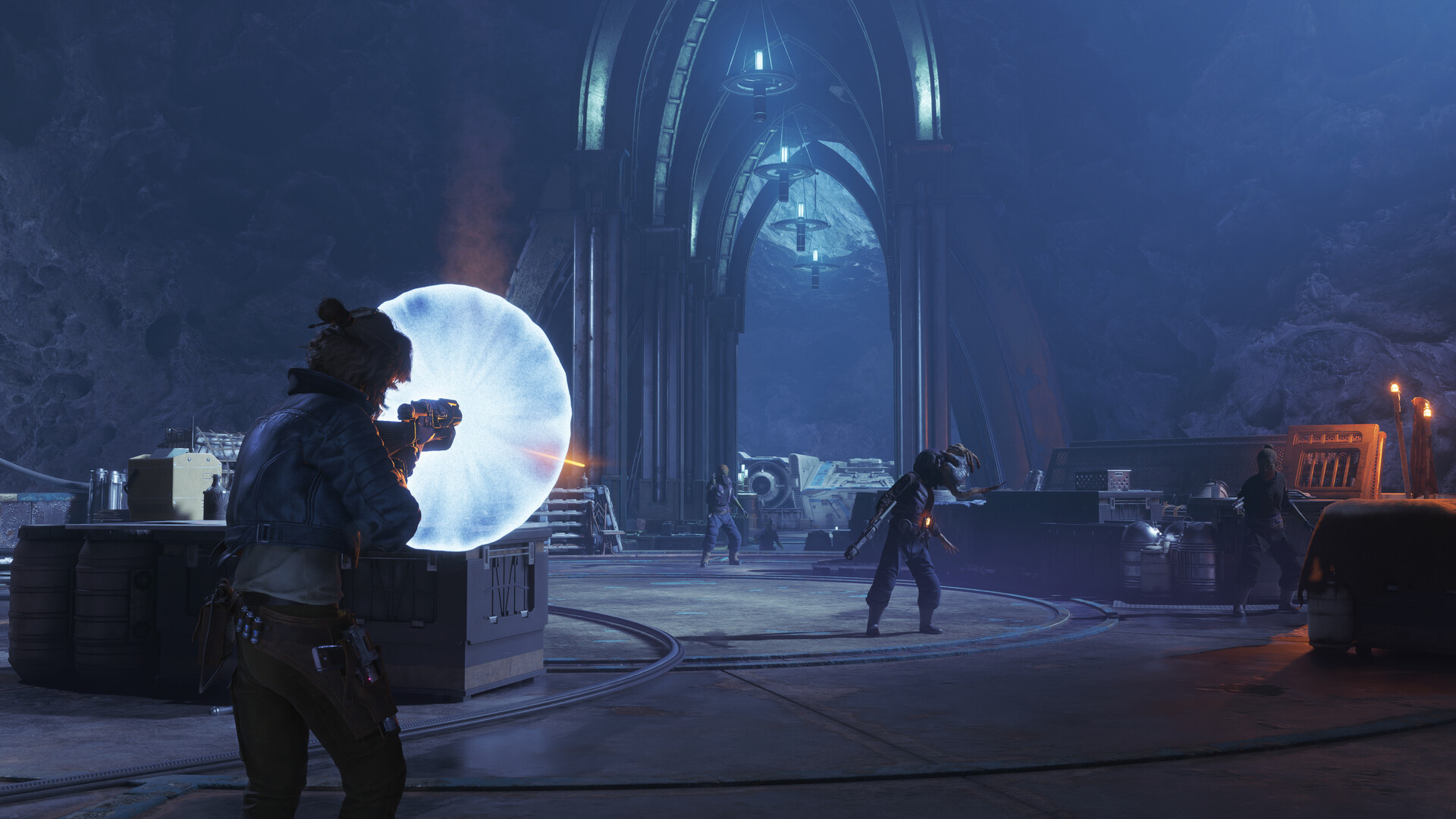
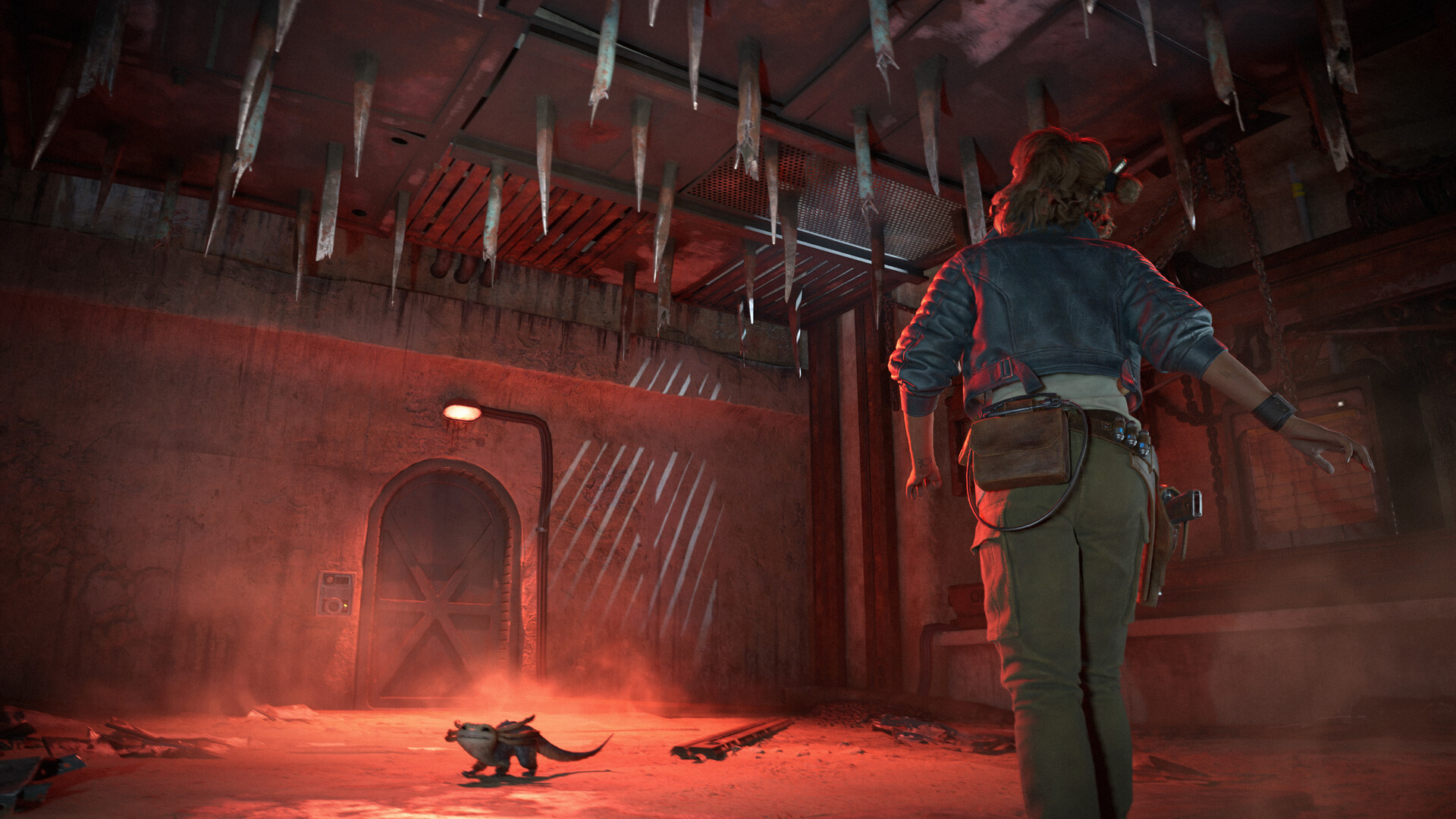
I joined Massive Entertainment’s Features Team with independent and student game-development experience, including a background in level design. My first assignments were to assess whether Domains of Mastery and other features were on track for release. Domains of Mastery is a progression system where missions and story characters open up challenges that unlock or strengthen abilities.
From there, I took production ownership of several feature teams with dependencies across World, Animation, Art and other disciplines. A key part of my work was Level Design Ingredients: the reusable gameplay elements that level designers use to build the world’s encounters and interactions.
Building the pipeline with the teams
Those assessments exposed gaps in the processes teams needed to deliver their features. My level-design background helped me understand the dependencies behind the work, while sprint planning and retrospectives gave us a way to organise delivery and review where the process needed to improve.
For Level Design Ingredients, that meant working with leads, producers and directors to build a shared pipeline from proposed designs through prototypes to final feature delivery. The pipeline gave teams visibility of upcoming work, brought in their input and aligned delivery of the assets and technology each feature needed.
Reviewing features across teams
I worked closely with the Lead Game Designer, Lead Systems Designer and Game Director to review features as they reached new stages of development. I also brought in teams that depended on those features to review and test the work.
The progression systems
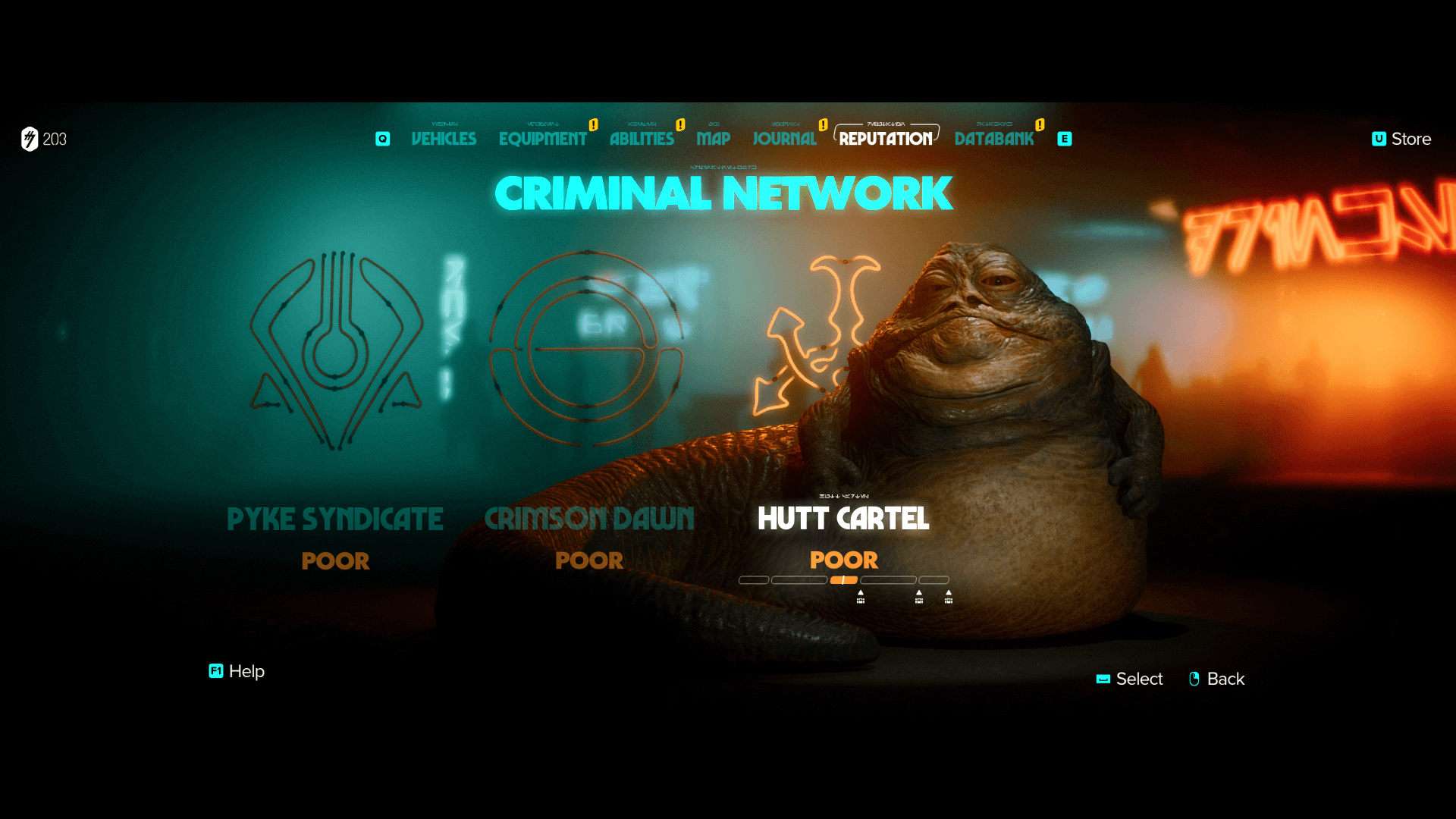
Faction Reputation
Connects player choices with syndicate relationships, opportunities and rewards.
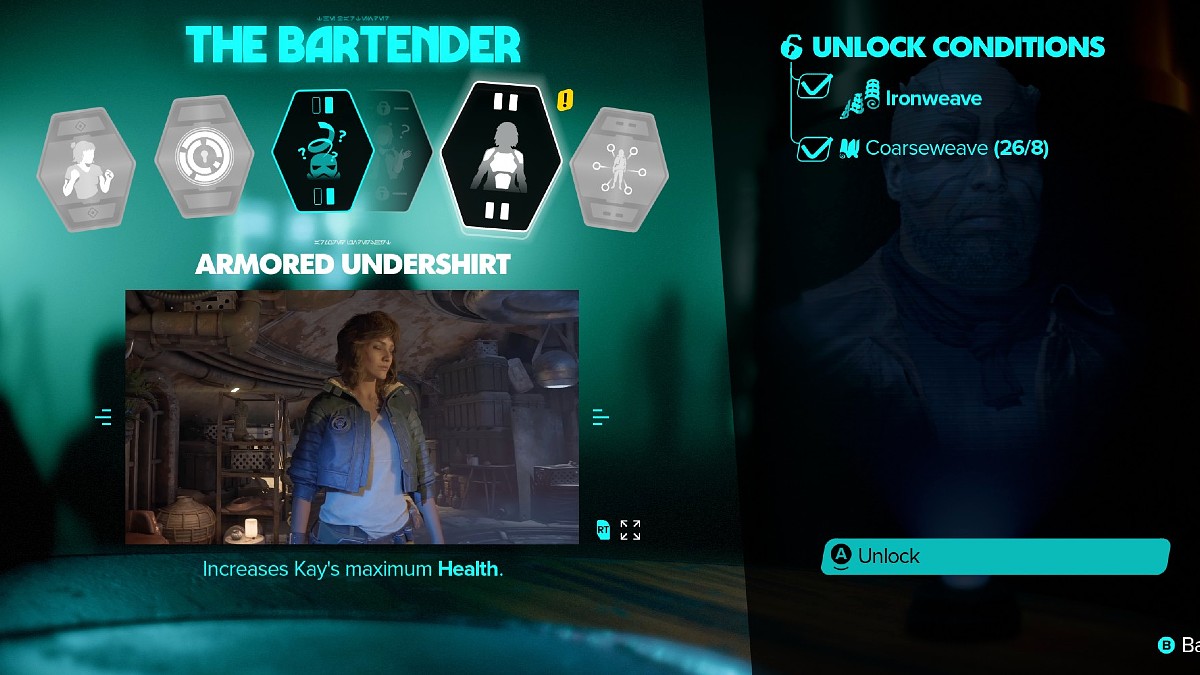
Domains of Mastery / Experts
Missions and story characters open up challenges that unlock or strengthen abilities.
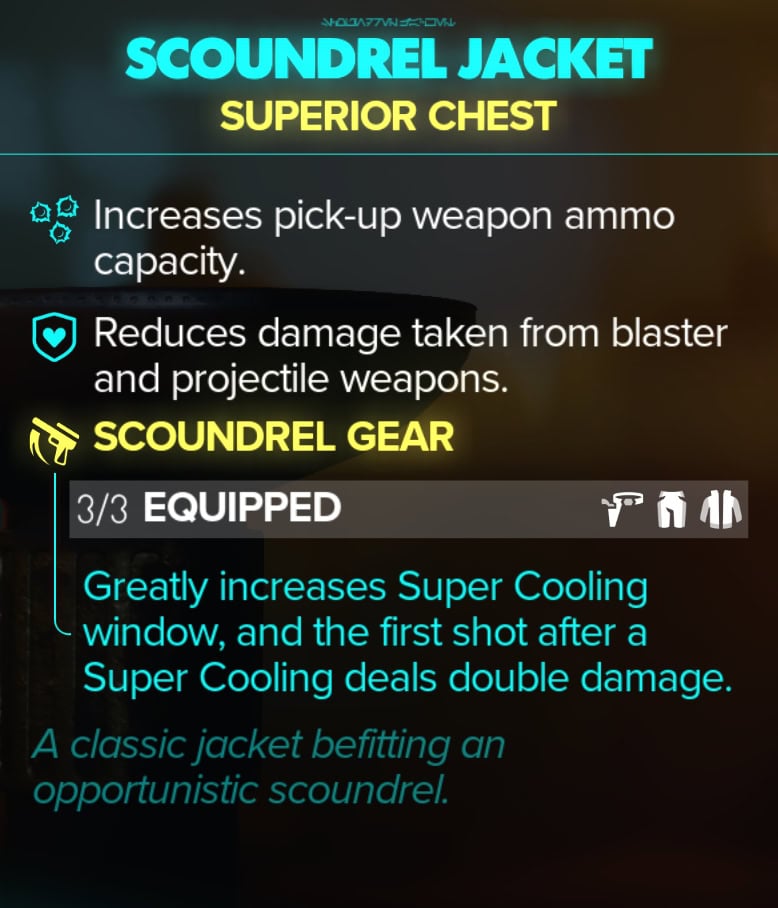
Gear
Item effects and set bonuses let players develop Kay’s strengths around different playstyles.
The late-production challenge and redesign
Later in production, Faction Reputation, Domains of Mastery and Gear needed to work as a connected progression experience. They had been developed separately, so bringing them together required a shared redesign against a fixed launch date while protecting the rest of the Features Team’s roadmap.
I brought the three system teams into one redesign cycle, using a dependency map across design, animation and programming. For each proposal, we considered both how it would connect the systems and what other work it would delay or displace.
I sequenced implementation around design readiness and raised scope trade-offs with directors when the remaining work exceeded the time available. The aim was to agree decisions early enough for teams to act on them while protecting the launch schedule.
How the redesign cycle ran
Review
Cross-team reviews with leads and directors identified conflicts and opportunities between the systems.
Redesign
A shared dependency map connected decisions to the work required across disciplines.
Cut & lock
Scope decisions were agreed against the release window, then implementation was sequenced around dependencies.
The outcome
The redesigned progression systems shipped with Star Wars Outlaws in August 2024 on PC, PS5 and Xbox Series X|S, meeting the launch schedule. Some of the pipelines I established continued into other studio productions.
My responsibilities grew through the closing stages of the game and continued into live updates and A Pirate’s Fortune, where I owned production for a substantial share of gameplay features.
What I took forward
This project reinforced the value of reviewing connected systems together, alongside the teams that depend on them. I would bring those reviews forward, before implementation makes changes more costly.
It also shaped how I approach pipelines: build them with the people who use them, make them reusable and keep improving them as production needs change.
In the game
The situation
After Star Wars Outlaws launched, we had improvements that had not fitted into the original production timeline. In parallel, we were producing features for the second expansion, A Pirate’s Fortune.
The wider project had staffed down as developers and producers moved on, while the Features Team remained around 30 people.
The challenge
The remaining teams had to absorb broader responsibilities while balancing live updates with expansion work.
Live updates were essential to the ongoing player experience, while the expansion needed to deliver new features and content.
Live support
To organise the live improvements around the staff available, I established feature strike teams. Together with directors and gameplay leads, I used our own findings and player feedback to agree on priorities, then planned the work from prototype through to polish.
Two key improvements were free-firing from the speeder and extended pickup-weapon functionality. Both shipped as part of the live update work.
Speeder free-fire, extended pickup-weapon support, and rounds of NPC, player, and save/load fixes.
DLC features spanning World, NPC, Features and Systems.
The expansion
I carried most of the feature teams from the main game onto the second DLC and coordinated their work across World, NPC, Features and Systems production.
The work included new mission set-pieces, reusable level design elements, progression systems and support for a new faction, alongside additions to existing systems.
Managing additional feedback cycles
One new system needed more redesign cycles than planned, while the release date remained fixed.
I prioritised feedback by urgency and impact, then organised daily tests and reviews with the relevant directors and leads as changes came in. This helped us resolve the most important issues, then move into polish and bug fixing in time to ship the system on its intended date.
The outcome
The team shipped multiple title updates and A Pirate’s Fortune, delivering live gameplay improvements alongside new DLC features through the post-launch year.
What I took forward
I learned to reserve more time for features likely to need redesign. Bringing key features and connected systems to directors earlier and allowing for further review cycles would give the team more room to act on feedback and improve the final quality.
In the game
The situation
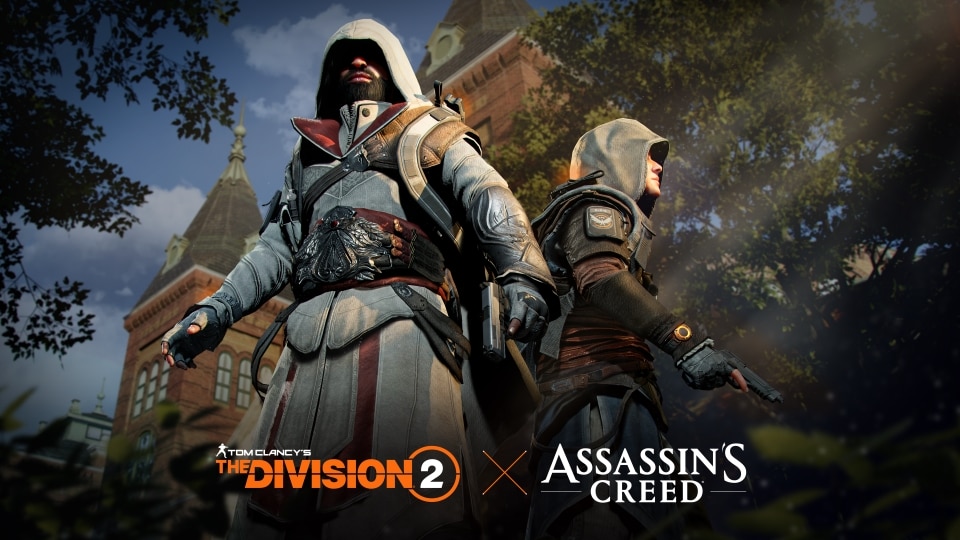
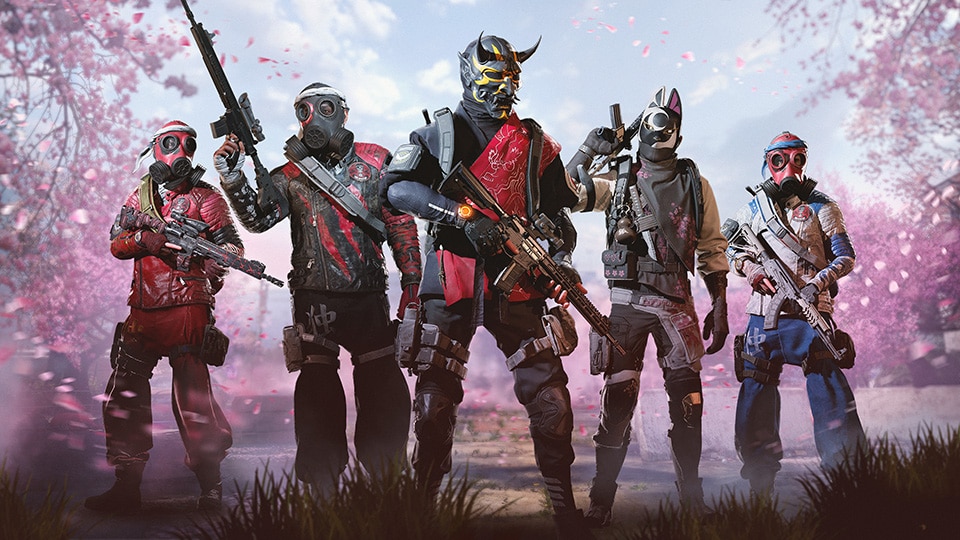
I joined The Division 2 in Year 7. My brief was to grow the Character Art and Vanity team and establish the production structure needed to support both seasonal releases and DLC.
The team produces character art, vanity and other cosmetic content across two tracks: live seasonal releases, including smaller updates and external collaborations, and the DLC Echoes of Central Park.
Seasonal vanity, rewards, and monetization content for every release, a key contributor to the game's live revenue.
NPC and boss visuals for mission and live content across seasons.
External partner collaborations and character art for Echoes of Central Park.
The challenge
The team handled everything from cinematic assets to small cosmetics, with different lead times and levels of urgency. There was no shared view of upcoming work or when it needed to start.
Scope was accepted based on technical feasibility, rather than whether it was realistic to deliver within the available time. That made the next season difficult to commit to confidently. Our audience brought years of expectations and requests for improvements, so lowering the quality bar to meet the release cadence was not an option.
Production structure and lead development
To give the team a shared view of the work, I established a backlog in Jira and introduced sprint planning, with leads responsible for each area’s work and day-to-day team management. I trained the leads in planning and team support, and helped several team members develop into lead roles.
I brought in an additional producer to own sprint and short-term execution. Delegating that work gave me room to focus on seasonal and annual planning, staffing and budget decisions, while continuing to support the leads.
Scope, cost and capacity planning
The backlog showed what was coming, but we also needed to understand what it would take to deliver. I built a cost-per-asset model that connected production time with financial cost. Together with estimates from the leads, it gave us a clearer view of the full scope and the capacity it required.
The estimates showed where planned work exceeded what the team could deliver. I used the model to decide how to cover those gaps through staffing, outsourcing and team structure, keeping directors informed of the time and budget implications and securing their buy-in for higher-level decisions.
The model also informed a stakeholder-approved overhaul of seasonal content planning. I continue to use it to distribute assets across seasons and adjust scope and scheduling within the available budget and capacity, while protecting the quality players expect.
Sprint planning and pipeline improvements
It took several cycles over a few months for the team to use sprints consistently. As estimates became more reliable, we could forecast delivery dates and identify pipeline bottlenecks.
We reassessed those pipelines, removed dependencies and redistributed seasonal asset work across the art departments to match available capacity.
Stakeholder reviews and release approvals
I report to business, creative and production directors on deliveries, asset costs and changes to seasonal plans. Weekly reviews with creative, business and narrative stakeholders cover key assets and concept approvals before production.
Seasonal monetization content also goes through first-party submission. I plan releases around certification windows and the approvals each update needs.
Outsourcing and external partner management
A sizeable share of the work is produced with external partners. I own briefing, scope and budget validation, and creative reviews and approvals, with partner teams reporting weekly. As capacity needs grew, I assessed additional partners and brought several experts onto the team.
The outcome
- The team delivered the 2026 anniversary content and subsequent seasonal releases alongside continued DLC production.
- More reliable estimates helped us forecast delivery dates and identify where the workload exceeded available time and people.
- Recruitment and additional outsourcing helped cover those gaps.
The team delivered technical additions that expanded player customization. Over this period, the game also saw increased daily active users and month-over-month financial growth. These commercial and engagement results reflect the work of many teams.
What I took forward
This project reinforced the value of looking at scope, production time, cost and staffing together. I used that shared view to make staffing decisions, select outsourcing partners and structure the team, while keeping directors informed and securing their buy-in for higher-level decisions. This helped build the capacity needed to deliver content that supports live revenue while meeting the quality players expect.
I also gained practical experience in building up a team: establishing a lead structure, supporting people as they stepped into lead roles and creating shared ownership of delivery.